
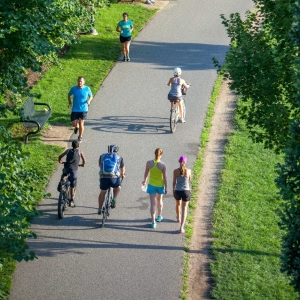
Data obtained and analysed by Out & About Live, the home of outdoor leisure news and shows, shows that before the pandemic, walking participation in England was on a steady upwards trajectory. Between 2016 and 2019, the proportion of people walking regularly rose each year, peaking at 71.19% in 2019.
Had that pre-Covid trend continued, walking rates were projected to reach around 75.5% by 2023. Instead, participation stalled following lockdown and has failed to recover to its previous growth path.
In 2023, walking stood at 69.66% – around six percentage points below where it would have been had earlier momentum been maintained, and lower than pre-pandemic levels. Cycling has followed a similar pattern.
Weekly cycling declined steadily between 2016 and 2019, saw a brief increase during the pandemic, and then fell sharply. By 2023, the percentage of people cycling at least once a week had dropped to 10.66%, down from 12.37% in 2016 – a decline of almost 14%.
The findings come despite sustained public investment. A Freedom of Information request submitted to the Department for Transport (reference: EIR-00051101) confirms that £1.26bn was spent on walking and cycling initiatives in England between 2016-17 and 2023-24.
Out & About Live says the figures suggest the pandemic did not simply interrupt active travel habits temporarily, but may have caused a longer-term shift away from regular walking and cycling.
Before Covid-19, walking was rising year on year. That growth has not resumed, even as restrictions ended and spending increased. Cycling, meanwhile, remains well below pre-pandemic levels. The analysis highlights a growing gap between policy ambition and real-world behaviour, raising questions about how effectively current active travel strategies are translating into sustained participation.